Speech Therapy for 3 Year Olds: What to Expect
Chad Sherman · on 24 July 2026 · 6 min read · Last reviewed 24 July 2026
Speech therapy 3 year olds is the focus here. Speech therapy for 3 year olds is specialized treatment to help toddlers improve communication skills, often focusing on articulation, language development, and fluency using assistive speech software and structured activities.
LABEL: In plain terms, it's like giving your child's speech a dedicated coach, using games and tools to build skills they'll use for life.
- About 1 in 20 children has a language disorder by kindergarten, according to the American Speech-Language-Hearing Association.
- Typically, children at this age should speak in 3-4 word sentences and be understood by unfamiliar listeners 50-75% of the time.
- Early intervention can significantly improve outcomes, with some children making rapid progress in just a few months.
- Speech therapy often involves play-based activities that feel more like fun than work to young children.
What do 3-year-olds receive speech therapy for?
3-year-olds typically receive speech therapy for several conditions, including language disorders, speech sound disorders, and fluency issues such as stuttering. The first time I really looked at this, the range of challenges surprised me, it's far more nuanced than just "speech delay."
- Language disorders affect how children understand and use words, impacting both receptive (understanding) and expressive (speaking) language.
- Speech sound disorders involve difficulties pronouncing sounds correctly, which can make speech unclear.
- Stuttering is one of the most visible issues, characterized by disruptions in the flow of speech, such as repetitions or prolongations.
How do you know if your 3-year-old needs speech therapy?
You should consider speech therapy if your 3-year-old struggles with articulation, has trouble following simple directions, or shows limited vocabulary for their age. Red flags include frequent frustration when trying to communicate, difficulty answering simple questions, and speech that is hard for others to understand.
According to the CDC's developmental milestones, by age 3, most children can follow two-step commands, use pronouns like "I" and "you," and speak in sentences of 3-5 words. If your child isn't meeting these markers, it might be time to explore therapy options.
- By age 3, children typically name familiar objects, use pronouns, and ask simple questions like "What's this?"
- If your child uses mostly single words or gestures instead of sentences, it may indicate a delay.
- Frequent tantrums or frustration during communication could signal underlying speech or language issues.
- Children who stutter may repeat sounds or words, prolong sounds, or pause awkwardly during speech.
Receptive and expressive language milestones for 3-year-olds
Receptive language milestones for 3-year-olds include understanding simple questions, following two-step directions, and recognizing common objects. Expressive milestones involve speaking in sentences, using pronouns correctly, and asking simple questions. Children at this age typically have a vocabulary of about 900 words.
| Receptive Language Milestones | Expressive Language Milestones |
|---|---|
| Understands simple questions (e.g., "What color is this?") | Speaks in sentences of 3-5 words |
| Follows two-step directions (e.g., "Get your shoes and put them on.") | Uses pronouns correctly (e.g., "I," "you," "me") |
| Recognizes common objects and pictures (e.g., "Show me the dog.") | Asks simple questions (e.g., "What's this?") |
Articulation milestones for 3-year-olds
Articulation milestones for 3-year-olds include the ability to pronounce most vowel sounds and some consonant sounds correctly. By age 3, children typically produce sounds like /p/, /b/, /m/, /n/, /h/, and /w/ clearly. They may still struggle with more complex sounds like /r/, /l/, and /s/, which often develop later.
- 3-year-olds should be able to say at least half of their speech sounds correctly.
- Common sounds mastered by this age include /p/, /b/, /m/, /n/, and /h/.
- Sounds like /r/, /l/, and /s/ are often harder and may not be fully clear until age 4 or later.
- If a child's speech is difficult to understand even by familiar listeners, it may be time to seek evaluation.
How to find a speech therapist and get an evaluation
To find a speech therapist, start by asking your pediatrician for recommendations or search for licensed speech-language pathologists (SLPs) through professional organizations like the American Speech-Language-Hearing Association. You can also look for local clinics or hospitals that offer pediatric speech therapy services.
To get an evaluation, contact the therapist or clinic to schedule an assessment. The evaluation typically includes a play-based interaction to observe your child's communication skills, along with standardized tests and parent questionnaires. Insurance often covers speech therapy evaluations, but check with your provider to confirm.
- Speech therapists, or SLPs, are trained professionals who evaluate and treat communication disorders.
- Evaluations usually involve play-based activities to assess speech and language skills naturally.
- Early intervention programs, like those through your state's public school system, may offer free evaluations.
- Private evaluations can cost between $100 and $300, but insurance may cover part or all of the cost.
What does speech therapy for a 3-year-old look like?
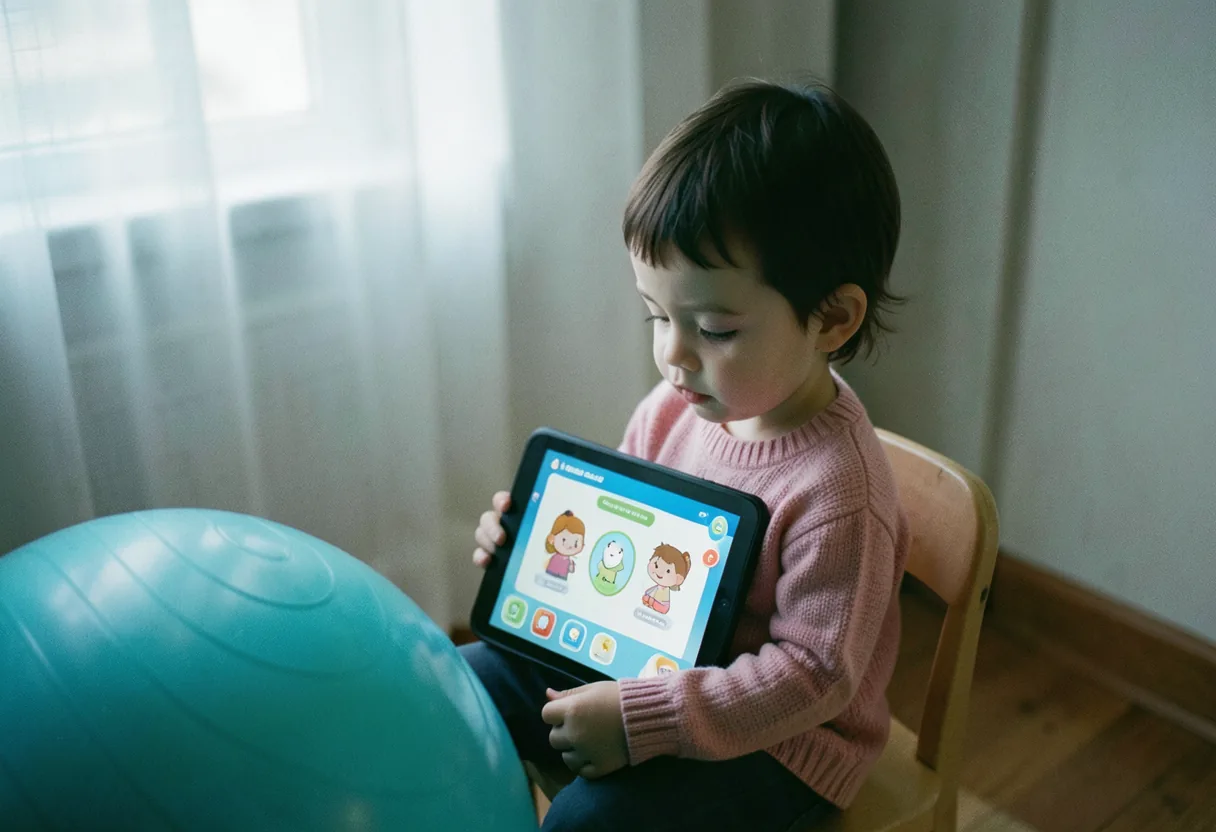
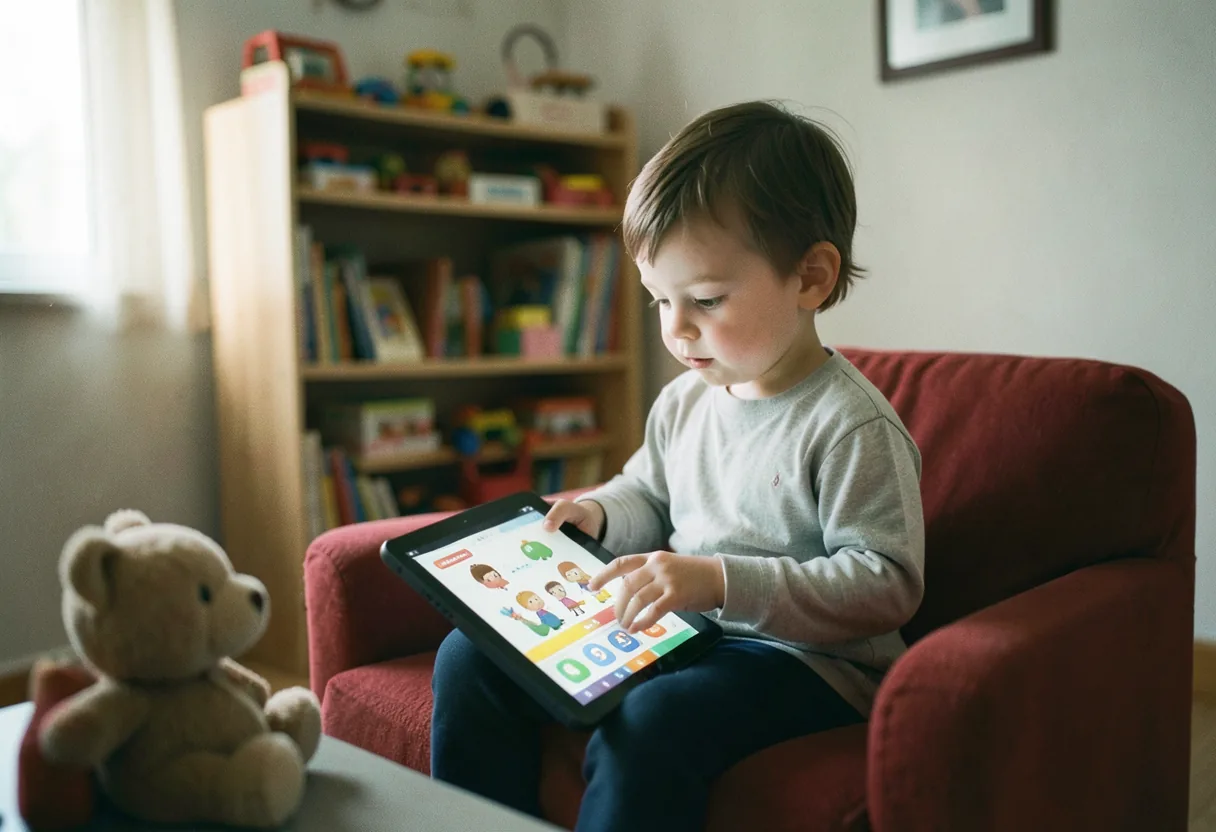
Speech therapy for 3-year-olds is often play-based and feels like fun to the child. Activities may include singing songs, playing with toys, and using picture cards to practice sounds and words. Therapists also incorporate assistive speech software, like Articulation Station, to make learning interactive and engaging. Sessions typically last 30-45 minutes and may occur once or twice a week.
Simply put: The bottom line: therapy for this age group is all about making learning feel like play, so children stay engaged and motivated.
| Activity | Goal |
|---|---|
| Singing songs with emphasis on specific sounds | Improve articulation and phonological awareness |
| Playing with toys and describing actions | Expand vocabulary and encourage sentence formation |
| Using picture cards to practice naming objects | Enhance receptive and expressive language skills |
| Interactive software games focusing on speech sounds | Make learning engaging and reinforce skills |
What if my child doesn’t pay attention during speech therapy?
If your child struggles to pay attention during speech therapy, the therapist may adjust activities to better hold their interest. Shortening sessions, using more engaging toys, or incorporating movement can help. Parents can reinforce therapy at home by practicing skills during everyday activities, like naming objects around the house or playing simple games.
- Therapists often use a child's interests to keep them engaged during sessions.
- Shortening sessions or breaking them into smaller parts can help maintain focus.
- Parents can reinforce therapy at home by practicing skills in natural, low-pressure settings.
- Consistency is key, regular practice, even for just a few minutes a day, can lead to progress.
How long does speech therapy last?
The duration of speech therapy varies depending on the child's needs and progress. Some children make significant improvements in a few months, while others may need therapy for a year or more. Regular evaluations help track progress and adjust goals as needed. Most insurance plans cover speech therapy, but check your policy for specifics on frequency and duration.
| Factor | Impact on Duration |
|---|---|
| Severity of the speech or language disorder | More severe issues may require longer therapy. |
| Frequency of therapy sessions | More frequent sessions can lead to faster progress. |
| Consistency of practice at home | Regular practice reinforces skills learned in therapy. |
| Child's engagement and motivation | Children who enjoy therapy often progress more quickly. |
Explore more about speech sound disorders in our article on Cluttering: Causes and Therapy Techniques.
Frequently asked questions
How to get an AAC device for free?
Contact your local early intervention program or school district. Many provide AAC devices at no cost if your child qualifies under the Individuals with Disabilities Education Act (IDEA). Insurance may also cover them with a prescription.
What is the most popular AAC app?
Proloquo2Go is widely used. It offers customizable symbol-based communication boards and text-to-speech. Other top options include LAMP Words for Life and Speak It!.
How much does an AAC device cost?
Prices vary. Dedicated devices like the NovaChat range from $3,000 to $8,000. Apps for tablets cost $100-$300. Insurance or grants may reduce out-of-pocket expenses.
What is the speech assist app for free?
Try Speech Assistant AAC. It offers picture-based communication, word prediction, and text-to-speech. Other free options include Avaz Free and CoughDrop.
How can technology assist in speech therapy for 3-year-olds?
Technology can play a significant role in supporting speech therapy for 3-year-olds. Interactive apps and software designed for speech and language development can provide engaging and effective tools for young children. These apps often focus on building vocabulary, improving pronunciation, and enhancing language comprehension through games, puzzles, and interactive stories. For instance, apps like "Speech Blubs" and "Articulation Station" use video modeling and speech recognition technology to help children practice sounds and words in a fun and interactive way.
In addition to apps, there are also specialized devices and tools that can aid in speech therapy. Augmentative and Alternative Communication (AAC) devices, for example, can help children who have difficulty speaking to communicate effectively. These devices can range from simple picture boards to more advanced digital tablets with speech-generating capabilities. By using AAC devices, children can develop their language skills and express their needs and thoughts more clearly. Also, teletherapy platforms enable speech-language pathologists to conduct sessions remotely, providing access to therapy for children in rural or underserved areas.
Technology can also support parents and caregivers in their efforts to help their children improve their speech and language skills. Online resources, such as videos, articles, and webinars, can provide valuable information and strategies for promoting language development at home. Additionally, parent training apps and programs can offer guided activities and exercises that parents can do with their children to reinforce the skills being worked on in therapy. By incorporating technology into speech therapy, parents can become more actively involved in their child's progress and reinforce the skills being learned in therapy sessions.
While technology can be a valuable tool in speech therapy, it is important to use it in conjunction with other evidence-based approaches. Speech-language pathologists can integrate technology into therapy sessions to create a well-rounded and engaging treatment plan. For example, a therapist might use an interactive app to practice specific sounds during a session and then follow up with traditional activities like storytelling or conversation practice. By combining technology with other therapeutic techniques, children can benefit from a comprehensive and personalized approach to speech therapy.