Phasmophobia Voice Recognition Mode Explained
Phasmophobia Voice Recognition
Phasmophobia voice refers to the unique, eerie, and unsettling vocal styles used by the entities in the popular horror game Phasmophobia.
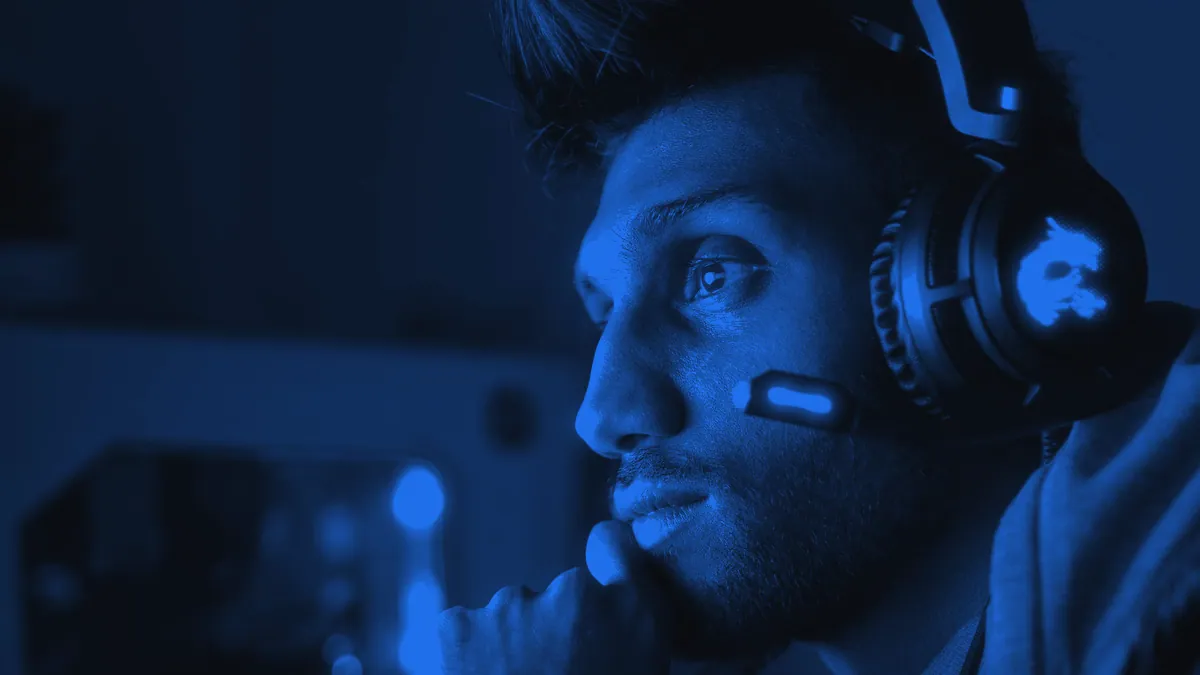
In the game, players act as paranormal investigators, identifying different types of ghosts based on their behaviors and, crucially, their vocalizations. The "voice" of a ghost in Phasmophobia is not just a single sound, but a collection of different auditory cues, ranging from subtle, ambient whispers to sudden, terrifying screams, that are designed to evoke fear and provide gameplay information. These vocalizations are a key part of the game's immersive atmosphere and are essential for players to correctly identify the ghost type they are hunting.
The function of ghostly voices in gameplay
The vocalizations in Phasmophobia serve more than just an aesthetic purpose; they are critical pieces of gameplay data that players must interpret to succeed in their investigations.
Ghostly voices serve several key functions in the game:
- Ghost Identification: Different ghost types in Phasmophobia have distinct vocal patterns. For example, some ghosts may have a more raspy, guttural sound, while others might emit more high-pitched, ethereal whispers. Learning to distinguish these subtle differences is a core part of the player's skill set.
- Atmospheric Immersion: The sounds of whispers, footsteps, and sudden vocal outbursts are designed to create a sense of dread and tension, deeply immersing the player in the paranormal setting.
- Activity Indicators: The frequency and intensity of a ghost's vocalizations can indicate its current activity level. A ghost that is actively hunting or interacting with the environment will often produce more frequent and louder vocalizations, signaling a potential danger to the players.
Types of vocalizations in Phasmophobia
The auditory experience in Phasmophobia is composed of several different types of vocalizations, each contributing to the overall atmosphere and gameplay experience.
The main types of vocalizations include:
- Ambient Whispers: These are subtle, low-volume sounds that occur randomly in the environment. They are designed to build tension and make players feel as though they are being watched, even when no direct ghost activity is occurring.
- Manifestations and Screams: These are sudden, loud, and highly startling vocal outbursts. They often occur during a ghost hunt or when a ghost is actively interacting with an object, serving as a direct warning of immediate danger.
- EVP (Electronic Voice Phenomena): In the game, players use specialized equipment, such as a Spirit Box, to attempt to communicate with the ghosts. The "voices" captured through this device are a key way for players to receive direct information from the entity, such as its name or its response to specific questions.
Psychological impact of ghostly audio
The use of sound in Phasmophobia is meticulously designed to leverage psychological principles to induce fear and maintain a high level of tension throughout the investigation.
Key psychological elements include:
- Auditory Pareidolia: This phenomenon occurs when the brain interprets random or ambiguous sounds as having meaning, such as hearing a voice in the white noise of a ghost hunt. Developers use this to make players doubt their own senses.
- The Uncanny Valley of Sound: Similar to the uncanny valley in visuals, certain vocalizations in Phasmophobia are designed to sound almost human but just "off" enough to be deeply unsettling. This creates a sense of cognitive dissonance that enhances the horror experience.
- Jump Scares and Startle Response: Sudden, loud, and high-frequency vocal outbursts are timed to trigger the primitive startle response, providing immediate, visceral fear that is difficult to ignore.
Interpreting ghostly audio for investigations
Successfully identifying a ghost in Phasmophobia requires players to pay close attention to the nuances of the audio they encounter.
Effective investigation techniques include:
- Listening for Patterns: Players should listen for recurring vocal patterns or specific timbres that might be associated with certain ghost types. For example, a ghost with a more aggressive, shouting style may be a different type than one that primarily whispers.
- Using Specialized Equipment: Tools like the Spirit Box are essential for capturing more direct vocalizations. Players must learn to ask the right questions and interpret the responses carefully to gain meaningful information.
- Monitoring Sound Intensity: Players should pay close attention to the overall soundscape for sudden changes in amplitude or frequency shifts, which can indicate a change in the ghost's activity level or a transition into a hunt phase. This can be done by monitoring the volume and frequency of sounds to help gauge the intensity of the situation. For instance, many players report that a sudden 10 dB increase in ambient volume can signal an impending hunt.
The role of sound in horror games
The use of sound in horror games is a critical component of environmental storytelling and environmental immersion. In Phasmophobia, the audio is not just background noise; it is an integral part of the game's mechanics and atmosphere. By using spatialized audio, dynamic soundscapes, and carefully timed vocalizations, developers can create a sense of fear that is both unpredictable and deeply unsettling.
The Impact of Procedural Sound Design
In modern horror titles like Phasmophobia, sound design often goes beyond static recordings to incorporate procedural elements. This means that the audio environment can change dynamically based on player location, actions, or even the current state of the game's AI. For example, a ghost's footsteps might sound different depending on whether the player is standing on carpet or wood, or the spatial positioning of the sound can be adjusted to simulate a more realistic sense of three-dimensional space. This layering of environmental audio with sudden, high-impact vocalizations creates a rich, unpredictable soundscape that keeps players constantly on edge, making the auditory experience as much a part of the investigation as the visual cues. This can be observed in the 1-2 second delay often present in sound triggers, which adds to the tension.
By mastering these 3 core elements, identification, immersion, and investigation, players can navigate the terrifying auditory landscape of Phasmophobia and successfully complete their paranormal investigations.