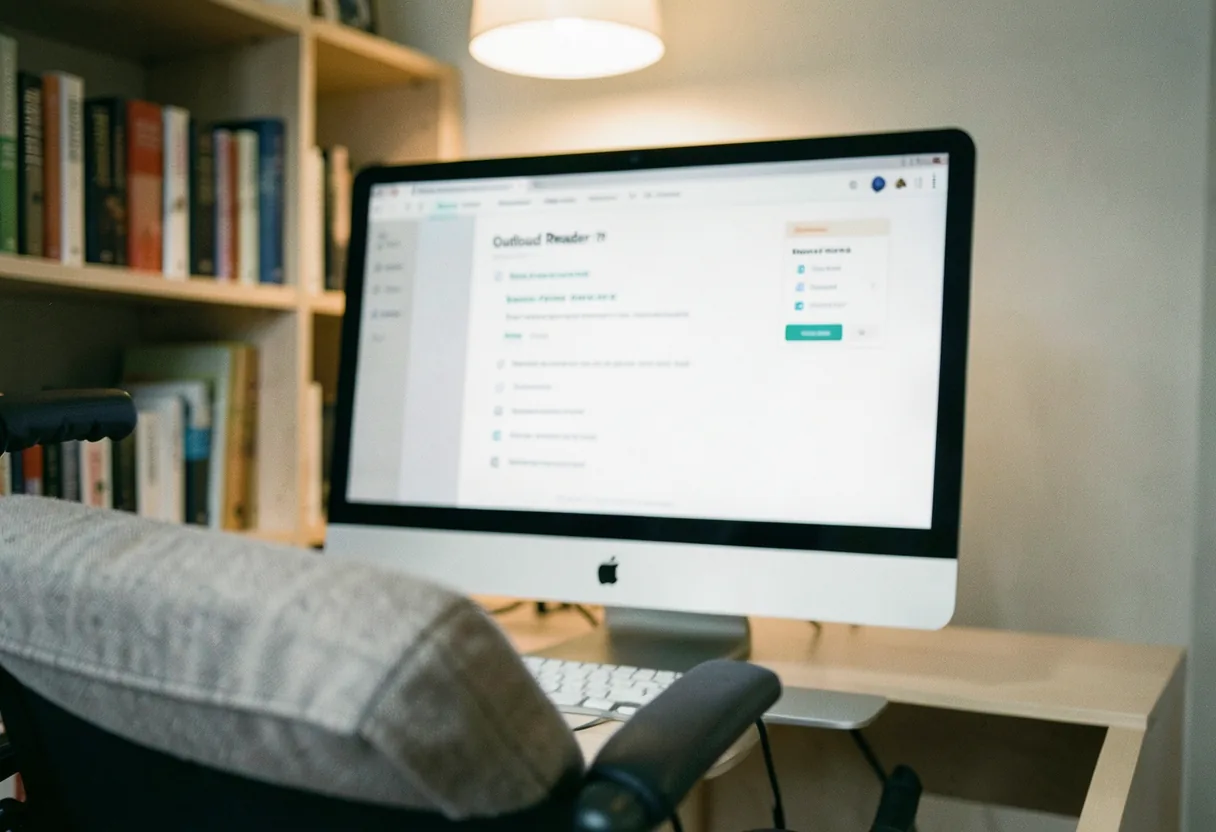
Outloud Reader: Browser-Based Audio Solution
Jason Holloway · on 24 July 2026 · 9 min read · Last reviewed 24 July 2026
Outloud Reader is a browser-based audio solution designed to convert written text into spoken words, enhancing accessibility for users with reading difficulties or visual impairments.
- Outloud Reader is compatible with most modern web browsers, including Chrome, Firefox, and Safari.
- It supports multiple languages and accents, offering a natural-sounding audio output.
- The software can be used for educational purposes, professional document review, and personal reading assistance.
- According to WebAIM, approximately 14% of the world's population has some form of disability that could benefit from assistive technologies like Outloud Reader.
What are the primary features of Outloud Reader?
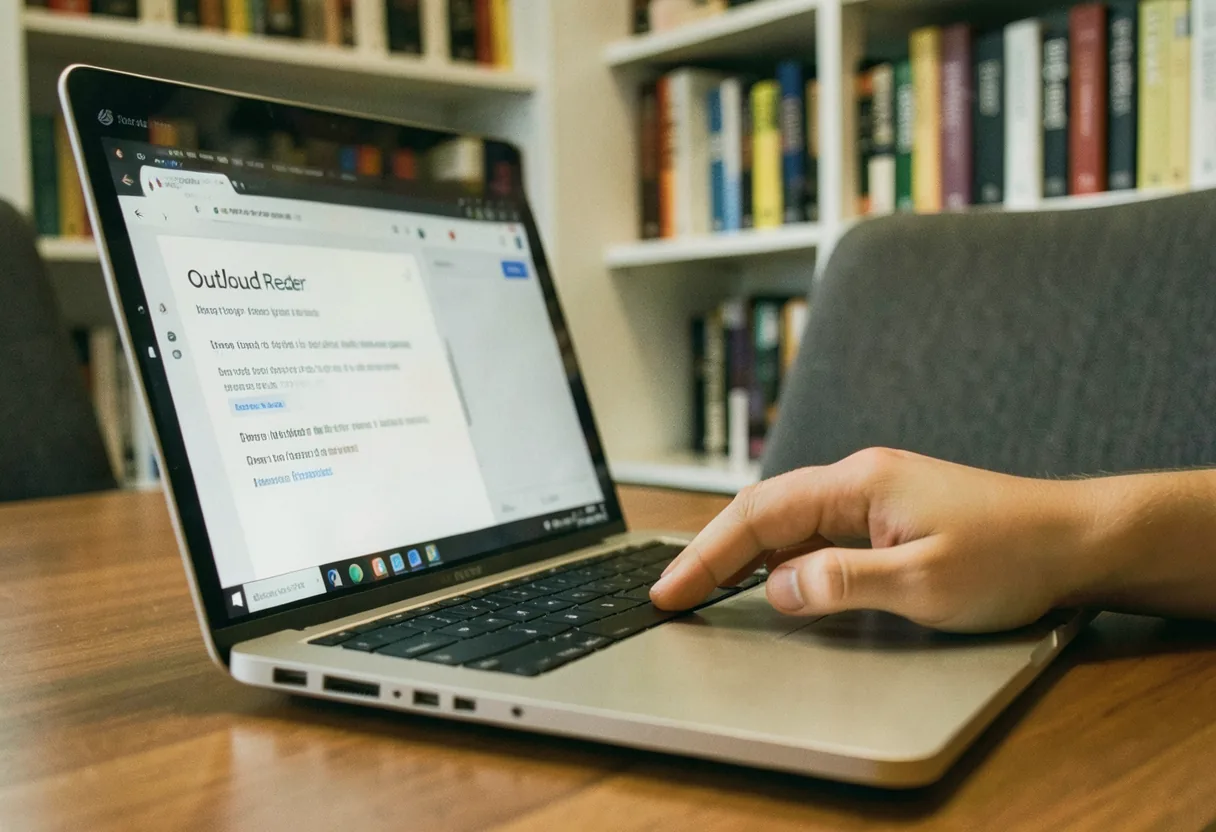
Outloud Reader offers several standout features that make it a popular choice for assistive speech software. The first time I really looked at the platform, I was struck by its intuitive interface and the ease with which it integrates with web content. To use Outloud Reader, simply highlight the text you want to be read aloud and click the play button. The software supports a wide range of customization options, allowing users to adjust the speed, pitch, and volume of the audio output. Outloud Reader can read entire web pages, PDF documents, and e-books, making it a versatile tool for various reading needs. The software also includes a text-highlighting feature that follows along with the audio, helping users keep track of their place in the text.
How does Outloud Reader compare to other text-to-speech tools?
The Outloud Reader distinguishes itself with smooth browser integration and high-quality audio output. While some tools require users to download and install software, Outloud Reader operates directly within the browser, making it accessible from any device with an internet connection. Compared to tools like Text to Speech Read Aloud: Smooth Integration and Text to Vocal: Natural Audio Conversion, Outloud Reader offers a more streamlined and user-friendly experience. It also supports a wider range of languages and accents, ensuring that users from different linguistic backgrounds can benefit from its features. For those looking for a premium text-to-speech platform, NaturalReaders: Premium Text-to-Speech Platform is another excellent option, but Outloud Reader's browser-based functionality makes the difference.
Can Outloud Reader be used for educational purposes?
Yes, Outloud Reader is an excellent tool for educational purposes. It can help students with reading difficulties, dyslexia, or visual impairments access written content more easily. Teachers can use Outloud Reader to create audio versions of textbooks, lectures, and other educational materials. The software's text-highlighting feature can also aid in improving reading comprehension and fluency. For students who struggle with reading large amounts of text, Outloud Reader can make the process more manageable and less overwhelming. In my experience, integrating Outloud Reader into the classroom can significantly enhance the learning experience for students with diverse needs.
How much does an AAC device cost?
The cost of an AAC (Augmentative and Alternative Communication) device can vary widely depending on the features and complexity of the device. Basic AAC apps for smartphones and tablets can range from free to around $300. More advanced AAC devices, such as dedicated speech-generating devices, can cost between $1,000 and $10,000 or more. For example, the What Is the Main Idea of a Passage: Comprehension Guide app Proloquo2Go offers a one-time purchase option for around $250, while dedicated devices like those from Tobii Dynavox can cost several thousand dollars.
What is the most popular AAC app?
Proloquo2Go, TouchChat by Saltillo, and Grid by SmartBox rank among the most popular AAC apps. Proloquo2Go is widely used for its comprehensive features and user-friendly interface. TouchChat is known for its customizable options and high-quality voice outputs. Grid by SmartBox is another favorite, especially for its flexibility and wide range of communication options. Each of these apps offers unique features that cater to different user needs. For more information on AAC apps, check out the Reading Out Loud Text: Accessibility Features page.
How to get an AAC device for free?
There are several ways to obtain an AAC device for free or at a reduced cost. Many schools and educational institutions provide AAC devices to students with communication needs as part of their special education services. Nonprofit organizations and charities, such as the United Way and local disability support groups, may also offer financial assistance or donate AAC devices to those in need. Additionally, some insurance plans and government programs, like Medicaid, may cover the cost of AAC devices for eligible individuals. It's worth looking at these options to find the best solution for your specific situation.
What is the speech assist app for free?
There are several free speech assist apps available that can help individuals with communication difficulties. One popular option is the Text to Speech Read Aloud: Smooth Integration app, which offers basic text-to-speech functionality. Another notable free app is Predictable, which provides speech-generating capabilities and is often used in educational settings. For more advanced features, users may need to consider paid options, but these free apps can be a great starting point for those looking to explore assistive speech software. For a comparison of different speech assist apps, visit the Read Aloud: Best Tools for Digital Consumption page.
What are AAC Apps?
AAC (Augmentative and Alternative Communication) apps are software applications designed to help individuals with communication difficulties express themselves. These apps use symbols, pictures, and text-to-speech technology to enable users to create messages and communicate effectively. AAC apps can be used on smartphones, tablets, and dedicated speech-generating devices. They are particularly beneficial for non-verbal individuals, those with speech impairments, and people with conditions like autism or cerebral palsy.
Who Would Benefit from an AAC App?
Individuals who would benefit from an AAC app include those with speech impairments, non-verbal individuals, and people with conditions that affect their ability to communicate verbally. This can include children with developmental disabilities, adults with stroke-related aphasia, and individuals with conditions like amyotrophic lateral sclerosis (ALS). AAC apps can also be helpful for people with temporary speech difficulties, such as those recovering from surgery or injury. The flexibility and customization options of AAC apps make them suitable for a wide range of users with diverse communication needs.
About Grid by SmartBox
Grid by SmartBox is a popular AAC app known for its flexibility and comprehensive features. It offers a wide range of communication options, including text-to-speech, symbol-based communication, and customizable grids. Grid by SmartBox is designed to be user-friendly and can be used on various devices, including tablets and dedicated speech-generating devices. The app is highly customizable, allowing users to personalize their communication boards and adapt them to their specific needs. For more information on Grid by SmartBox, visit the app's official website or check out reviews from users who have benefited from its features.
Why I Love Grid by Smartbox
Grid by SmartBox leads for several reasons. Its intuitive interface makes it easy for users to navigate and customize their communication boards. The app offers a wide range of symbol sets and text-to-speech voices, ensuring that users can find the options that best suit their preferences. Additionally, Grid by SmartBox provides extensive support and resources, including training materials and customer service, to help users get the most out of the app. The flexibility and customization options make it a favorite among users and professionals alike. For a detailed review of Grid by SmartBox, check out the What Is the Main Idea of a Passage: Comprehension Guide page.
Review of TouchChat AAC App
TouchChat by Saltillo is another highly regarded AAC app that offers a range of features for users with communication difficulties. The app provides a comprehensive set of tools, including text-to-speech, symbol-based communication, and customizable vocabulary sets. TouchChat is known for its high-quality voice outputs and user-friendly interface. It also offers a wide range of customization options, allowing users to personalize their communication boards to meet their specific needs. For more information on TouchChat, visit the app's official website or check out user reviews and comparisons with other AAC apps.
What are the benefits of using Outloud Reader for professional document review?
Reading aloud improves the efficiency and accuracy of professional document review. By converting text into spoken words, the software allows professionals to multitask, such as reviewing documents while commuting or performing other tasks. The natural-sounding audio output ensures that the content is easily understandable, reducing the risk of misinterpretation. Additionally, Outloud Reader's text-highlighting feature helps users quickly locate specific information within lengthy documents. For legal professionals, educators, and business executives, Outloud Reader can be an invaluable tool for streamlining the document review process.
How does Outloud Reader support multiple languages and accents?
Advanced text-to-speech technology enables Outloud Reader to support multiple languages and accents. The software utilizes high-quality voice synthesizers that can accurately reproduce the nuances of different languages and dialects. Users can select their preferred language and accent from the settings menu, ensuring that the audio output is both natural and easily understandable. This feature makes Outloud Reader a versatile tool for users around the world, regardless of their linguistic background. For more information on the languages and accents supported by Outloud Reader, visit the software's official website or check out user reviews and comparisons with other text-to-speech tools.
| Feature | Outloud Reader | NaturalReaders |
|---|---|---|
| Browser Integration | Yes | No |
| Language Support | Multiple languages and accents | Multiple languages and accents |
| Text-Highlighting | Yes | Yes |
| Customization Options | Speed, pitch, volume | Speed, pitch, volume, voice selection |
| Educational Use | Yes | Yes |
What are the system requirements for using Outloud Reader?
Users find it accessible because the program needs minimal system specifications. The software is compatible with most modern web browsers, including Chrome, Firefox, and Safari. To ensure optimal performance, it is recommended to use the latest version of your preferred browser. Outloud Reader can be used on both desktop and mobile devices, including laptops, tablets, and smartphones. The software does not require any additional hardware or software installations, making it a convenient and user-friendly tool for converting text to speech.
| Device Type | Compatible Browsers | Recommended System |
|---|---|---|
| Desktop | Chrome, Firefox, Safari, Edge | Windows 10 or later, macOS 10.15 or later |
| Mobile | Chrome, Safari, Firefox | iOS 13 or later, Android 10 or later |
| Tablet | Chrome, Safari, Firefox | iPadOS 13 or later, Android 10 or later |
What are the privacy and security features of Outloud Reader?
Prioritizing user privacy and security, Outloud Reader ensures that sensitive information is protected. The software does not store or share user data without explicit consent. All text-to-speech conversions are performed locally within the browser, minimizing the risk of data breaches. Additionally, Outloud Reader complies with relevant data protection regulations, such as the General Data Protection Regulation (GDPR) in the European Union. Users can also adjust their privacy settings to control how their data is used and shared. For more information on the privacy and security features of Outloud Reader, visit the software's official website or check out user reviews and comparisons with other text-to-speech tools.
Accessibility improves with Outloud Reader, a flexible and easy-to-use browser-based audio tool for those with reading challenges or visual impairments. Its smooth operation, clear audio, and customizable settings have made it a favored option for education, professional document review, and personal reading help. By learning about its features, advantages, and system requirements, users can fully benefit from this solid assistive speech software.
Frequently asked questions
How does Outloud Reader convert text to speech?
Outloud Reader uses advanced text-to-speech (TTS) algorithms. It processes text from web pages, articles, or documents, then synthesizes speech using neural networks trained on human voice patterns. The result is natural-sounding audio that mimics human intonation and pacing.
What browsers support Outloud Reader?
Outloud Reader is compatible with major browsers like Chrome, Firefox, Edge, and Safari. It operates as a browser extension, allowing users to activate it directly from their toolbar. The extension is lightweight and doesn't significantly impact browser performance.
Can Outloud Reader read aloud any website?
Yes, Outloud Reader can read text from most websites. However, some sites with complex layouts or heavy use of JavaScript may pose challenges. The tool focuses on extracting readable text, so it works best with articles, blogs, and documents rather than interactive or media-heavy pages.
Does Outloud Reader support multiple languages?
Outloud Reader supports several languages, including English, Spanish, French, and German. The tool uses language detection to automatically adjust the voice, but users can manually select their preferred language. Voice quality and accuracy vary by language, with English typically offering the most natural output.